Maritimo FC
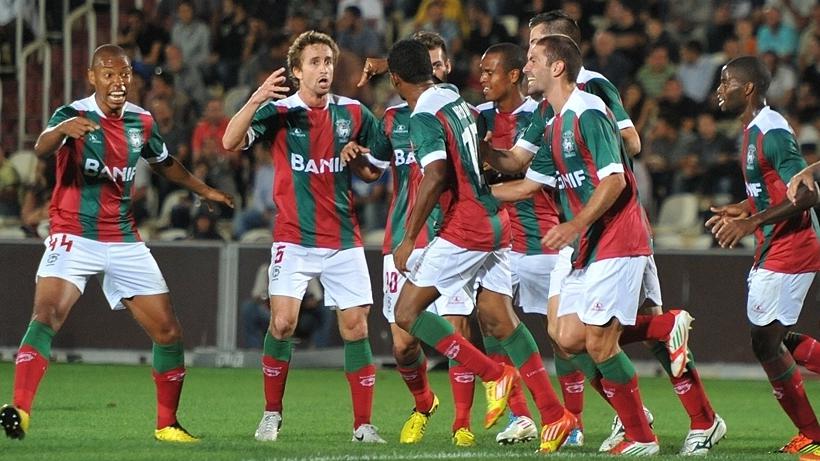
Maritimo FC is a renowned football club in Portugal, boasting a rich history and a dedicated fan base. Known for its resilience and competitive spirit, this club has become a significant part of Portuguese football culture.
This comprehensive article aims to explore the depths of Maritimo FC, detailing its origins, evolution, achievements, challenges, and future prospects. Whether you’re a seasoned supporter or new to Portuguese SC88 football, this guide will provide an in-depth understanding of what makes Maritimo FC unique.
Origins and Founding of Maritimo FC
Understanding the roots of Maritimo FC offers insight into its identity and growth over the years. Founded in the early 20th century, the club’s inception was driven by local enthusiasts passionate about football and community development. The club’s name, which translates to Maritime or Marine, reflects Madeira Island’s close ties to the sea, emphasizing its cultural identity.
The Early Years and Community Roots
Maritimo FC was established on May 1, 1910, making it one of the oldest football clubs in Portugal. Its formation was a collective effort by residents of Funchal, Madeira, who sought to create a sporting institution representing their island’s maritime heritage. During these formative years, the club primarily played regional matches, gradually building a reputation for grit and teamwork.
The club’s early players often balanced other occupations, reflecting the amateur spirit that characterized football in the region at that time. Despite limited resources, the community’s support was unwavering, laying a foundation for future growth.
Readmore: Bắn cá SC88
Evolution Through the 20th Century
Throughout the 20th century, Maritimo FC experienced significant milestones, including participation in national competitions and developing local youth programs. The club navigated various challenges, including political changes and economic hurdles, yet remained committed to nurturing talent and fostering local pride.
During the post-World War II era, Maritimo FC began to solidify its presence in Portuguese football. Notably, the club achieved promotion to the top tiers, which marked a turning point towards professionalization and broader recognition.
Establishment as a Top-Flight Team
By the late 20th century, Maritimo FC had established itself in Portugal’s Primeira Liga, competing alongside historic giants such as Benfica, Porto, and Sporting Lisbon. This period was critical in shaping the club’s identity as a resilient, competitive team capable of challenging larger clubs despite resource limitations typical of island teams.
The club’s long-standing tradition of developing local talent and emphasizing team cohesion has been instrumental in maintaining its competitiveness over decades. Its roots rooted deeply in community spirit continue to influence its philosophy.
Key Milestones and Historical Highlights
Some of the pivotal moments in Maritimo FC’s history include:
- First appearance in the Primeira Liga (1978)
- Best league finish (4th place in 1994-95 season)
- Historic victories over top Portuguese teams
- Notable cup runs and continental appearances
These milestones reflect a trajectory of perseverance and evolving excellence, establishing Maritimo FC as a respected name in Portuguese football.
Competitive Performance in Portuguese and International Football
Maritimo FC’s journey through domestic and international competitions showcases its resilience, strategic growth, and the dedication of its players and staff. Analyzing its performance patterns reveals insights into the club’s strengths, weaknesses, and key periods of success.
Domestic League Performance and Trends
Over the decades, Maritimo FC has fluctuated between mid-table stability and sporadic pushes for higher positions. The club’s consistent goal has been to establish itself firmly within Portugal’s top tier, fighting relegation battles and aiming for European qualification.
Key aspects of their domestic performance include:
- Long-standing presence in Primeira Liga
- Occasional qualification for UEFA competitions
- Focus on developing young local talent
- Strategic management adjustments to adapt to league shifts
Cup Competitions and Achievements
In Portugal’s domestic cup tournaments—such as Taça de Portugal—Maritimo FC has often played the role of a spoiler, reaching notable stages and occasionally causing upsets against bigger teams. Though they have yet to secure a major national trophy, their performances have been commendable, and they remain aspirational in this regard.
International Campaigns and Challenges
Maritimo FC has participated in UEFA competitions like the Europa League and the Intertoto Cup. These outings present unique challenges due to travel distances, squad depth, and resource limitations compared to continental powerhouses.
Their most remarkable international achievement includes qualifying for the group stage of the UEFA Europa League, which showcased their ability to compete beyond national borders. These campaigns also provided valuable experience and increased exposure for the club and its players.
Analysis of Tactical Approach and Player Development
The club’s tactical philosophy revolves around disciplined defense combined with quick counter-attacks. Emphasis on physical fitness and cohesive teamwork has enabled them to punch above their weight.
Player development remains a core component, with many players progressing from youth ranks to top-tier European leagues. This strategy underscores the importance of nurturing local talent and maintaining a sustainable model.
Iconic Players and Managers in Maritimo FC History
Throughout its existence, Maritimo FC has been home to numerous influential figures whose contributions have shaped the club’s legacy. Recognizing these individuals provides insight into the club’s identity and ongoing inspiration.
Legendary Players of Maritimo FC
Several players have etched their names into the club’s history, either through exceptional performances, leadership, or longevity.
Notable players include:
- Gustavo Ventura: A prolific striker known for his goal-scoring prowess during the 1980s.
- Duarte Gomes: A midfielder whose vision and passing enriched the team’s gameplay.
- Emanuel Biancucchi: An Argentine midfielder who contributed significantly during his tenure.
Each of these players exemplified dedication and embodied the spirit of Maritimo FC.
Influential Coaches and Their Impact
Coaching has played a vital role in the club’s development, with several tacticians leaving lasting marks.
- José Gomez: A Spanish coach credited with stabilizing the team in the late 1990s and leading them to their best league finish.
- Lito Vidigal: His leadership emphasized youth development, helping to produce future stars.
- Pedro Martins: Managed the team through transitional phases, focusing on tactical discipline and resilience.
The Role of Leadership and Club Icons
Beyond players and managers, club presidents and legends have contributed to maintaining the club’s identity and ambition. Their vision and commitment sustain the club’s community-driven philosophy.
Future Outlook and Challenges Facing Maritimo FC
Looking ahead, Maritimo FC faces both opportunities and obstacles that could determine its trajectory in Portuguese football.
Financial Stability and Resource Management
Like many smaller clubs, financial health remains crucial. Balancing competitive ambitions with sustainable management is essential, especially amid rising costs and the need to develop homegrown talent.
Youth Development and Talent Acquisition
Investment in youth academies can serve as a long-term strategy, reducing reliance on transfers and creating a pipeline of skilled players. Maritimo’s community ties position it well to nurture local talent.
Navigating Domestic Competition and European Aspirations
Competition within Portugal is fierce, but European qualifiers can boost visibility and revenue. Strategic planning to secure a stable position domestically while pursuing continental goals is vital.
Infrastructure and Fan Engagement
Modernizing facilities and enhancing fan engagement through digital platforms can strengthen community bonds and attract younger supporters, ensuring the club’s relevance in the digital age.
Adapting to Modern Football Trends
Embracing data analytics, sports science, and innovative coaching methods will be essential to stay competitive. The club’s adaptability could be decisive in future success.
Conclusion
Maritimo FC embodies the resilience and passion of Madeira’s football scene. With a history rooted in community spirit, battling against the odds, and consistently striving for excellence, the club continues to be a symbol of perseverance and regional pride. Its journey from humble beginnings to a respected name in Portuguese football underscores the importance of dedication, tactical evolution, and nurturing local talent. As it looks toward the future, embracing modernization while preserving its traditions will be key to maintaining its legacy and achieving new heights in both domestic and international arenas.Maritimo FC stands at a crossroads where its rich history and future aspirations intertwine, creating an exciting narrative for fans and stakeholders alike. The path forward will require strategic foresight, cultural commitment, and unwavering spirit—all of which are hallmarks of the Maritimo ethos.